Kesla & Budhni Blocks, Madhya Pradesh | July 8–20, 2026
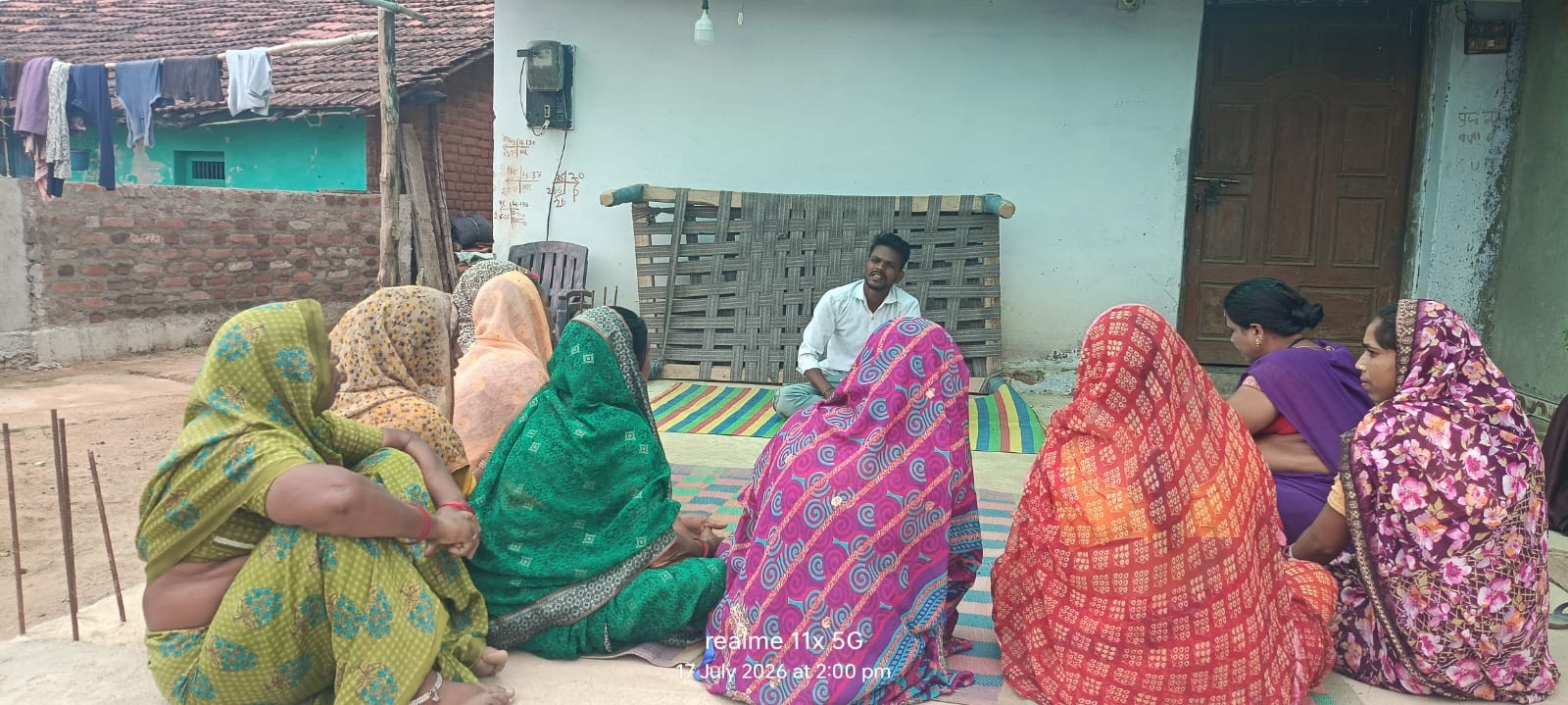
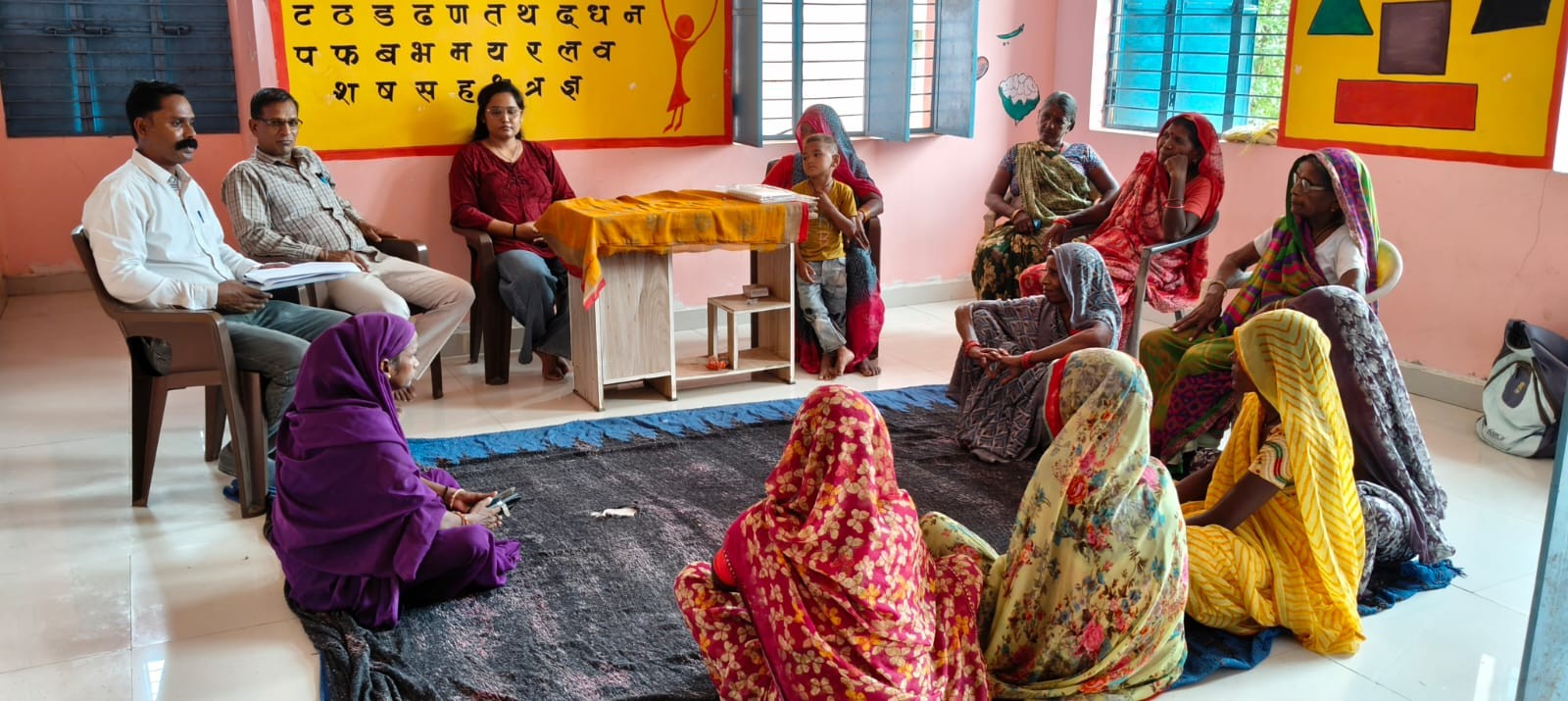
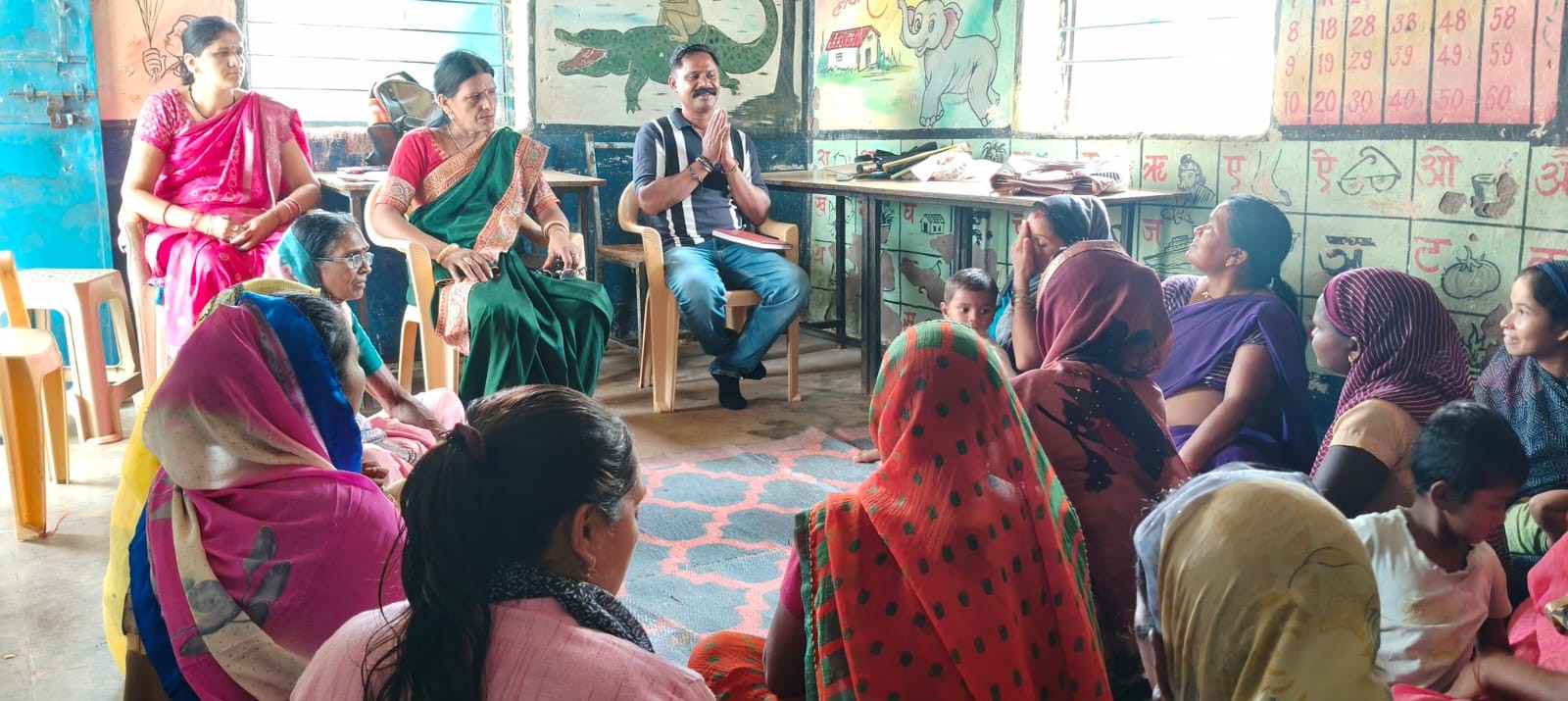
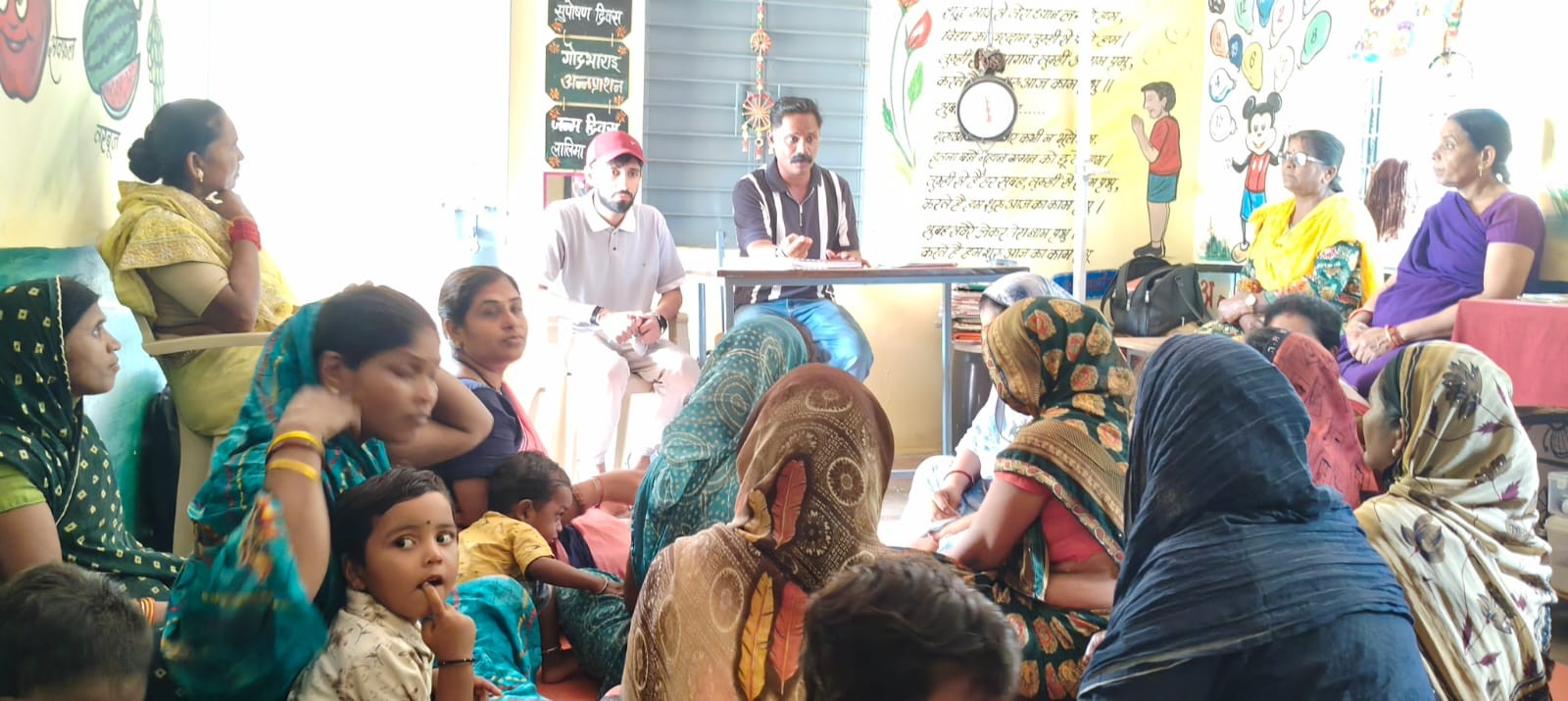
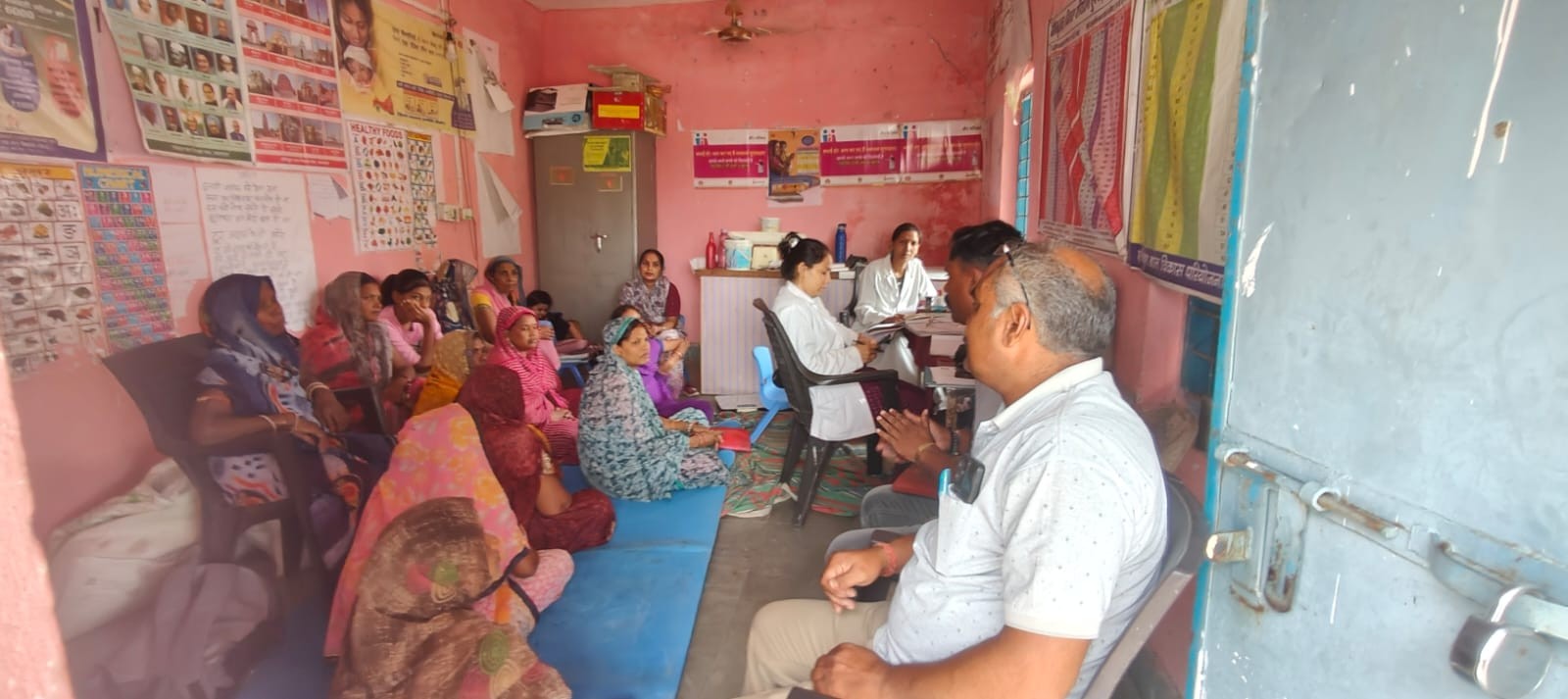
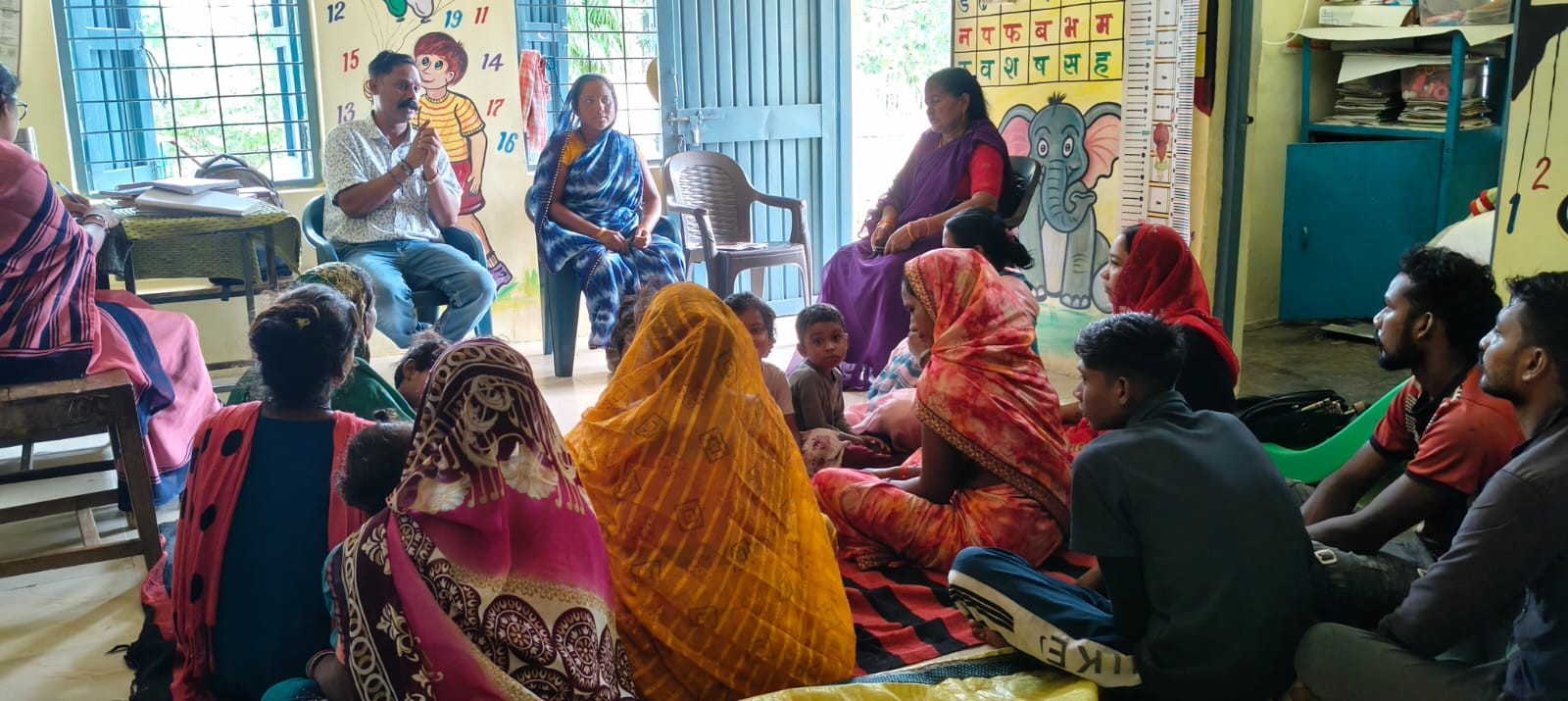
Under the Samarth Project – Phase III, Madhya Pradesh Samaj Seva Sanstha (MPSSS), Bhopal, successfully organised a series of Village Health, Sanitation and Nutrition Committee (VHSNC) Re-Orientation Programmes across Kesla and Budhni Blocks from 8–20 July 2026. The initiative was aimed at strengthening community health governance by enhancing the capacity of VHSNC members and promoting collaborative action for improved health, sanitation, and nutrition outcomes at the village level.The programme covered the villages of Bhunkpura, Mariyarpura, Gomtipura, Kesla, Jahanpur, Pandodo, Khawada, Rampura, Chikli, Dandiwada, Nayapura, Kotmimaal, Bhadbhud, and Mallupura. The sessions witnessed active participation from VHSNC members, ASHA workers, Anganwadi Workers, Auxiliary Nurse Midwives (ANMs), Community Health Officers (CHOs), School Teachers, Panchayat representatives, and community members, reflecting a strong multi-stakeholder commitment towards strengthening village health systems.
The re-orientation sessions focused on reinforcing the roles and responsibilities of VHSNCs, encouraging regular committee meetings, improving village health planning, identifying local health priorities, and fostering greater community participation in decision-making processes. Special emphasis was placed on strengthening coordination among frontline health workers, local governance institutions, and community representatives to ensure effective implementation of health and nutrition initiatives.
Interactive discussions highlighted the broader concept of health, emphasizing that true well-being extends beyond the absence of disease to include physical, mental, social, and environmental well-being. Participants also explored key determinants of health, including safe drinking water, sanitation and hygiene, adequate nutrition, quality education, women's empowerment, social security, environmental cleanliness, and equitable access to quality healthcare services.
During the programme, participants reviewed the functioning of their respective VHSNCs, reflected on achievements and existing challenges, identified priority health issues within their villages, and prepared action plans for upcoming monthly committee meetings. The exchange of successful community-led initiatives from different villages encouraged peer learning and inspired participants to adopt innovative and effective local practices.
The programme significantly enhanced the knowledge, confidence, and leadership capacity of VHSNC members while strengthening collaboration among ANMs, CHOs, ASHA workers, Anganwadi Workers, School Teachers, Panchayat representatives, and community stakeholders. The sessions reinforced the importance of collective action, accountability, and community ownership in creating healthier, more resilient villages.
Through such capacity-building initiatives under the Samarth Project – Phase III, MPSSS remains committed to empowering grassroots institutions, promoting participatory governance, and building responsive, inclusive, and sustainable village health systems that contribute to improved health, sanitation, and nutrition outcomes for rural communities.